Hong Kong’s public housing system has historically served not only as a housing safety net, but also as a ladder of upward mobility—from public rental housing to subsidised home ownership and eventually to private housing. It has played an important role in the formation of the middle class, social mobility and economic development. However, following the substantial contraction of subsidised home ownership and overall housing supply after 2002, this housing ladder has gradually broken down. Young people and middle-income households have long found themselves caught in a difficult position: unable to afford private housing, unsuccessful in obtaining subsidised sale flats and unable to improve their living conditions. This has impeded home ownership and asset accumulation while weakening confidence in starting families, having children, remaining in Hong Kong and working towards a better future.
The performance of the current housing policy is measured primarily by the waiting time for public rental housing and the number of units constructed. Although these indicators are useful for monitoring basic supply, they do not fully capture the problems that residents actually face. Housing affordability in Hong Kong has continued to deteriorate, the home ownership rate among young people has declined and the average size of residential units has continued to shrink. At the same time, turnover in the Home Ownership Scheme Secondary Market remains low. A large number of subsidised sale flats are subject to restrictions on resale, premium payments and leasing, preventing them from being reallocated according to changing household needs. Some higher-income public rental housing tenants also remain in the system for extended periods because of the lack of an affordable pathway to home ownership. These are no longer merely livelihood issues; they are structural problems that directly affect talent attraction, household formation, labour supply, the allocation of public resources and fiscal sustainability.
The Institute recommends that Hong Kong’s first Five-Year Plan expand the objectives of housing policy beyond “shortening waiting times and increasing housing production” to encompass “affordability, quality of living, mobility and upward progression”. The Government should introduce additional performance indicators, including the youth home ownership rate, the turnover rate of subsidised sale housing, average unit size and the level of housing affordability. Within the public housing programme, the ratio between public rental housing and subsidised sale housing should gradually move towards 50:50 across Hong Kong, with a more ambitious ratio adopted in the Northern Metropolis. The quota under the White Form Secondary Market Scheme should be substantially increased, while restrictions on the sale, leasing and exchange of subsidised flats with unpaid premiums should be progressively relaxed. At the same time, a more finely graduated rent scale should be established for better-off public rental housing tenants, accompanied by additional ballot weighting or dedicated quotas for affected households. The purpose of these reforms is not to weaken the public housing safety net, but to rebuild a pathway of upward mobility from public rental housing to subsidised home ownership and, ultimately, to housing that better meets households’ needs.
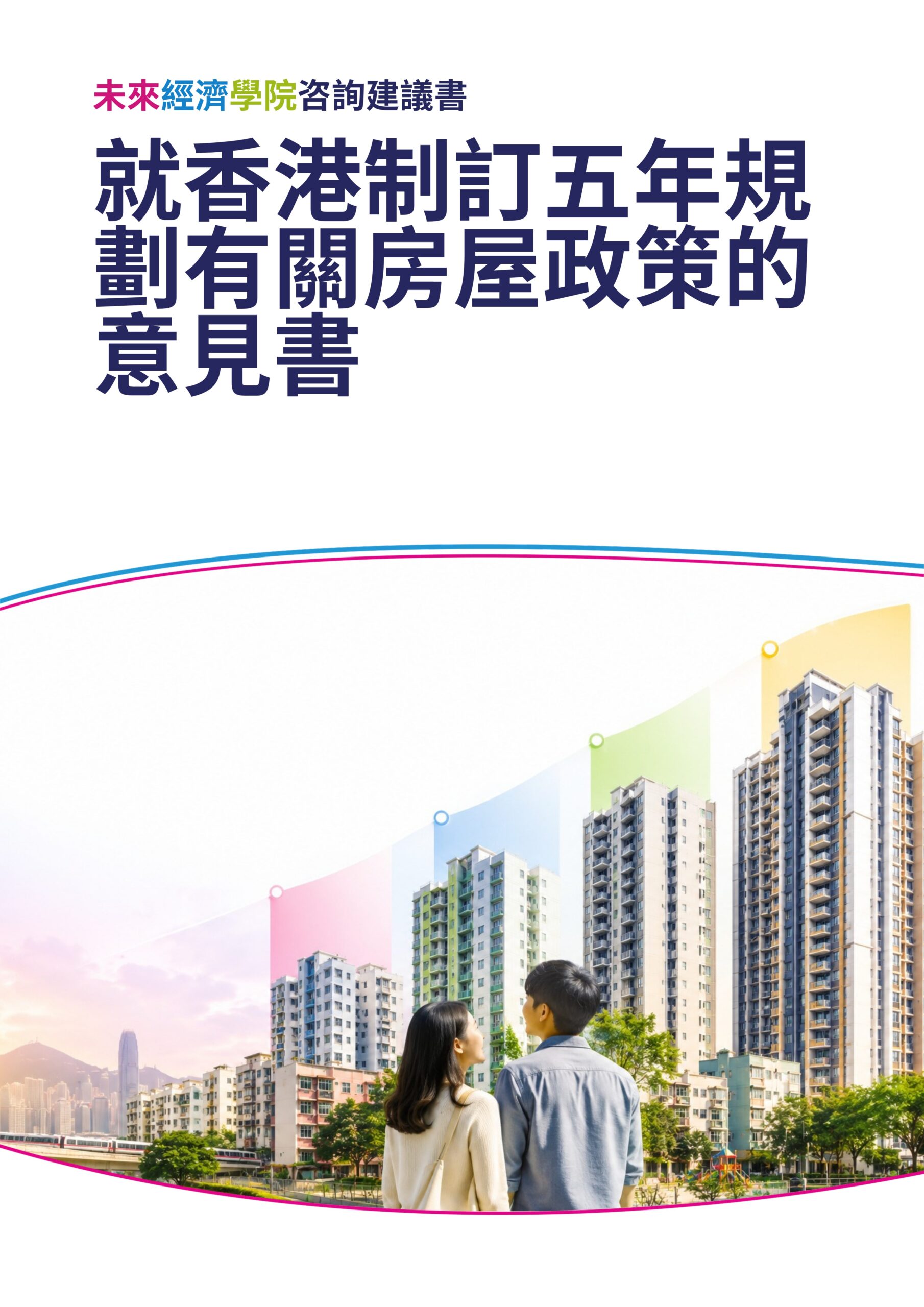
《Submission on Housing Policy for Hong Kong’s Five-Year Plan》(Chinese only)